
Food today looks better than ever, shinier vegetables, bigger grains, faster harvests. But behind this speed and scale lies an important question we’re finally starting to ask again: how is our food grown, and at what cost?
That’s where the conversation around chemical farming vs organic farming begins, not as a trend, but as a choice that affects soil, health, farmers, and the future of food itself.
Let’s break it down simply.
Chemical Farming vs Organic Farming: Understanding the Real Difference Behind Our Food
Food today is abundant. Supermarkets are full, vegetables look flawless, and crops are produced faster than ever before. But somewhere along the way, we stopped asking a very basic question: what is this food doing to our soil, our bodies, and the people growing it? How is the food truly being grown?
This is where the debate around chemical farming vs organic farming becomes important, not as a lifestyle trend, but as a long-term survival conversation. Let’s slow it down and look at both systems clearly.
What Is Chemical Farming?
Chemical farming, also known as conventional farming, is based on the use of synthetic chemical inputs to increase crop yield and control pests. It became popular during the Green Revolution when the priority was simple: produce more food, faster.
Commonly used inputs in chemical farming:
- Synthetic fertilizers (NPK- Nitrogen, Phosphorus, Potassium)
- Chemical pesticides to kill insects
- Herbicides to remove weeds
- Fungicides to prevent crop diseases
- Growth regulators for faster maturity
These chemicals deliver immediate results. Crops grow quickly, harvest cycles shorten, and farmers can meet market demand more easily. But this speed comes with hidden costs.
The Long-Term Impact of Chemical Farming
- Soil Degradation
Chemical fertilizers feed plants directly but ignore soil biology. Over time, this leads to:
- Reduced soil fertility
- Hard, compacted soil
- Loss of beneficial microbes and earthworms
- Dependency on higher chemical doses every season
The soil becomes less alive and more like an empty medium that needs constant artificial support.
- Water Pollution
Excess fertilizers and pesticides often wash into nearby rivers and groundwater. This causes:
- Contaminated drinking water
- Damage to aquatic life
- Algal blooms that suffocate ecosystems
- Health Concerns
Residues of chemical pesticides can remain on food even after washing. Long-term exposure has been associated with:
- Hormonal imbalance
- Digestive issues
- Skin allergies
- Weakened immunity
While not all chemical farming is immediately dangerous, chronic exposure is what raises concern.
- Farmer Dependency
Many farmers become trapped in a cycle where:
- Soil yields drop naturally
- More chemicals are needed each season
- Input costs rise
- Profit margins shrink
What started as a solution often turns into a dependency.
What Is Organic Farming?
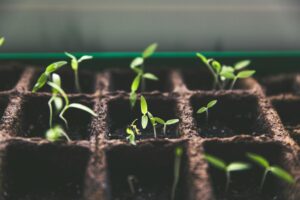
Organic farming works on a different philosophy: feed the soil, and the soil will feed the plant. Instead of synthetic chemicals, organic agriculture relies on natural processes and biological balance.
Practices used in organic farming:
- Compost, farmyard manure, and green manure
- Crop rotation and mixed cropping
- Natural pest control (neem oil, cow urine formulations, beneficial insects)
- Mulching to retain soil moisture
- Indigenous and open-pollinated seeds
Organic farming focuses on long-term soil health rather than short-term yield spikes.
How Organic Farming Works With Nature
Organic farming accepts that nature has its own rhythm.
There may be:
- Slightly lower yields in the beginning
- More manual observation and care
- Slower crop cycles
But over time, the land becomes more fertile, resilient, and productive without external chemical dependence.
Chemical Farming vs Organic Farming: A Clear Comparison
- Soil Health
Chemical farming: Depletes soil microbes and structure
Organic farming: Builds living soil rich in microorganisms
- Environmental Impact
Chemical farming: Contributes to pollution and biodiversity loss
Organic farming: Supports ecosystems, birds, bees, and soil life
- Food Quality
Chemical farming: High yield, possible chemical residues
Organic farming: Nutrient-rich food without synthetic pesticides
- Sustainability
Chemical farming: Short-term productivity, long-term damage
Organic farming: Long-term productivity with minimal harm
- Cost Reality
Chemical food seems cheaper, but the hidden costs show up as:
- Healthcare expenses
- Soil restoration costs
- Environmental damage
Organic food may cost more upfront, but it reflects its true cost of production.
Why This Debate Matters More Than Ever
Climate change, water scarcity, rising health issues, and farmer distress are all connected to how food is grown. The comparison between chemical farming and organic farming is not about choosing sides, it’s about choosing balance.
Even partial shifts matter:
- Buying organic staples like pulses, rice, or wheat
- Supporting local organic farmers
- Growing a small kitchen garden
Every choice sends a signal.
Is Organic Farming the Perfect Solution?
Organic farming isn’t perfect. It requires:
- Knowledge
- Patience
- Policy support
- Consumer awareness
But it offers something chemical farming cannot: regeneration of the soil instead of extraction.
Final Thoughts
Chemical farming helped solve food shortages, but it was never meant to be permanent.
Organic farming reminds us that food is not just about yield. It’s about soil, health, dignity of farmers, and the future we leave behind. The real difference between chemical farming and organic farming lies not in ideology, but in intention.
One system takes. The other restores.
At IOFI, we see organic farming not as a trend, but as a return, to balance, to responsibility, and to food that honours both the land and the people who grow it. Choosing organic is a quiet but powerful decision, one that supports healthier soil, safer food, and more sustainable farming practices.
If you’re ready to move away from chemical dependence and toward food grown with intention, IOFI is here to walk that journey with you, one conscious choice at a time.