Healthier Soil, Healthier Life

“At IOFI Group, we are committed to rebuilding healthy soil systems through natural farming, farmer awareness, and sustainable agriculture.”

Where Real Food Begins

At IOFI, we believe one simple truth: the quality of your food depends on the health of the soil it grows in.

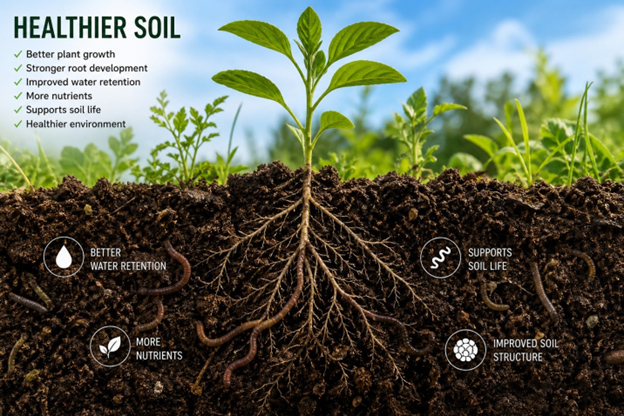
Soil is not just dirt. It is a living, breathing system made up of minerals, organic matter, microorganisms, air, and water. Together, these elements create the foundation that determines how food grows, how it tastes, and how well it supports the body.

What happens below the surface directly shapes what reaches your plate.

From Soil to Plate: A Living Journey

Every field carries an invisible process constantly at work.

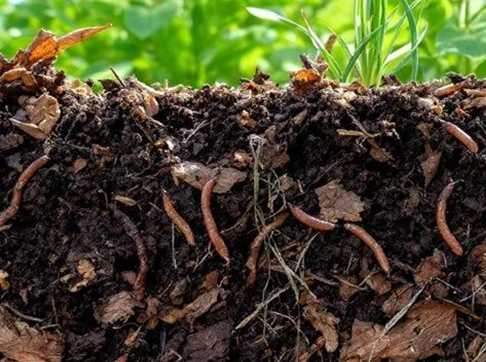
Fallen leaves decompose. Roots die and regenerate. Microorganisms break down organic matter into nutrients like nitrogen, phosphorus, and potassium. These nutrients are then absorbed by plant roots, supporting growth from the ground up.

Healthy soil does not rely on force. It functions through balance.

The result is stronger crops, improved resilience, and better overall crop quality. At IOFI, we do not disrupt this process. We support it. Because nourishment does not begin at harvest. It begins in the biology of the soil.

The Hidden World Beneath Your Feet

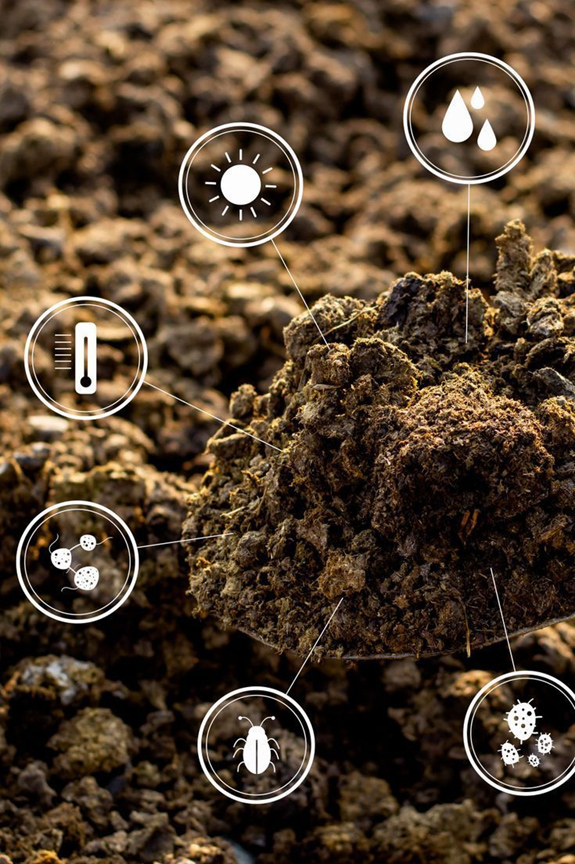
What looks like ordinary soil is one of the most complex ecosystems on earth. In just a handful of healthy soil, there are:

These organisms do not exist in isolation. They interact continuously. Fungi form underground networks that connect plant roots. Through these networks:

This is often described as a natural underground network. When soil is heavily disturbed or overused, this system begins to weaken. What remains is soil that can still produce crops, but without the same balance and biological activity. Healthy soil is not just fertile. It is active, connected, and constantly functioning beneath the surface.

What Actually Makes Soil Healthy?

Healthy soil is not defined by appearance alone. It is defined by how well it functions. There are three core pillars:

1. Soil Organic Matter (SOM)

This includes decomposed plant and animal material. Why it matters:

Low organic matter often means reduced biological activity.

2. Microbial Life

Soil contains bacteria, fungi, and other microscopic organisms.

Their role:

Without microbial life, soil becomes more dependent on external inputs.

3. Soil Structure

Healthy soil is loose, porous, and well-formed. This allows:

Compacted soil restricts all three.

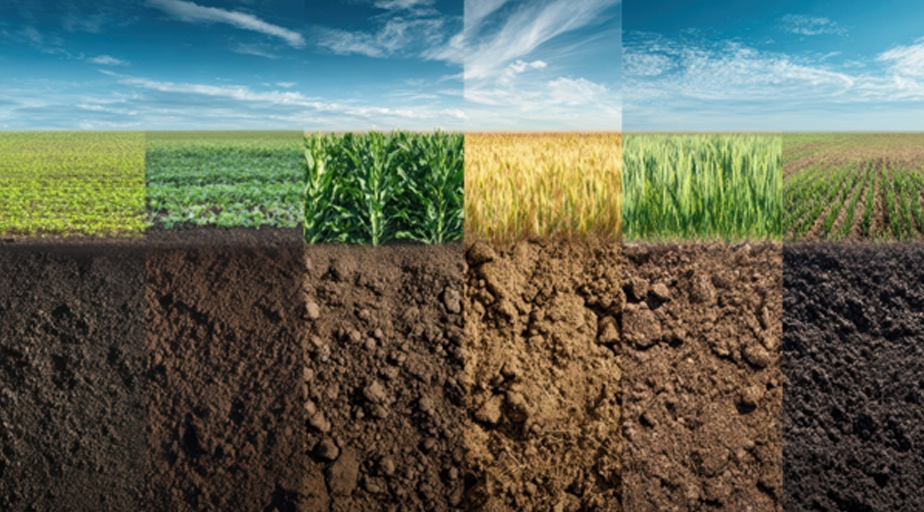
Not all soil behaves the same. Different soil types have distinct physical and biological properties, and each responds differently to management practices. Understanding soil type is the first step toward improving its condition.

1. Sandy Soil

2. Clay Soil

3. Loamy Soil

4. Silty Soil

5. Peaty Soil

Healthy Soil vs Degraded Soil

Not all soil supports life equally. The difference becomes clear when observed closely.

Healthy Soil (Living Soil)

This type of soil tends to improve over time when managed carefully.

Degraded Soil

It may still support growth, but without the balance and resilience of a living system.

Why Soil Health Matters

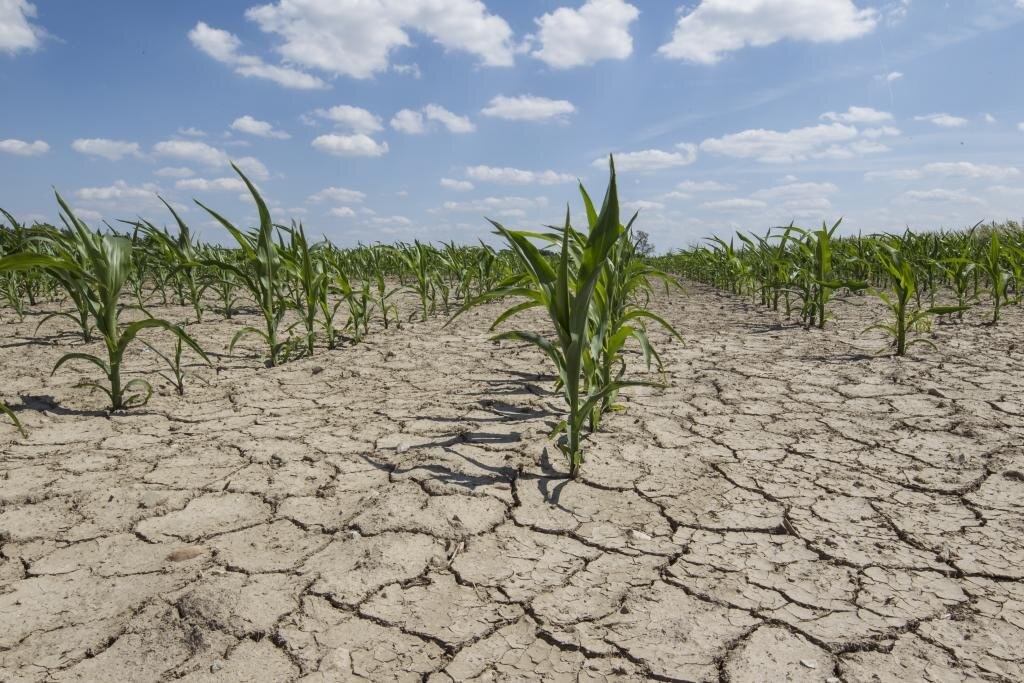
Soil degradation is increasing due to:

It may still support growth, but without the balance and resilience of a living system.

When soil weakens

This is not just an agricultural concern. It affects food systems, environmental stability, and long-term sustainability. Healthy soil forms the base of it all.

Soil and Climate

This is not just an agricultural concern. It affects food systems, environmental stability, and long-term sustainability. Healthy soil forms the base of it all.

When soil is degraded

This influences

Healthy soil also helps farms adapt to extreme conditions

Improving soil health supports both agricultural and environmental stability over time.

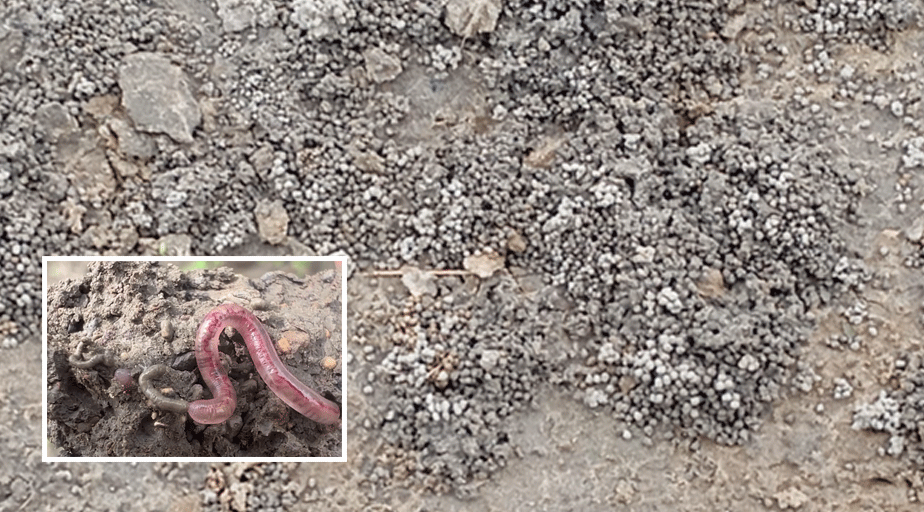
Earthworms: Indicators of Living Soil

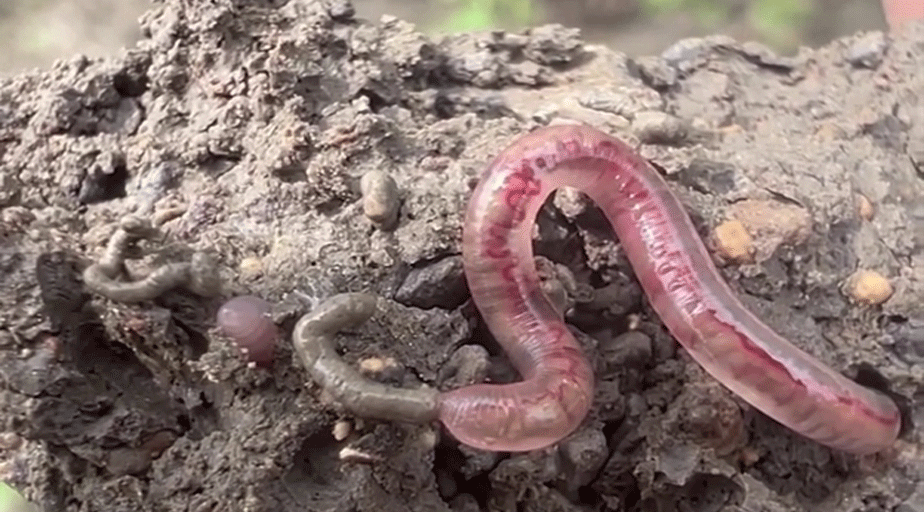
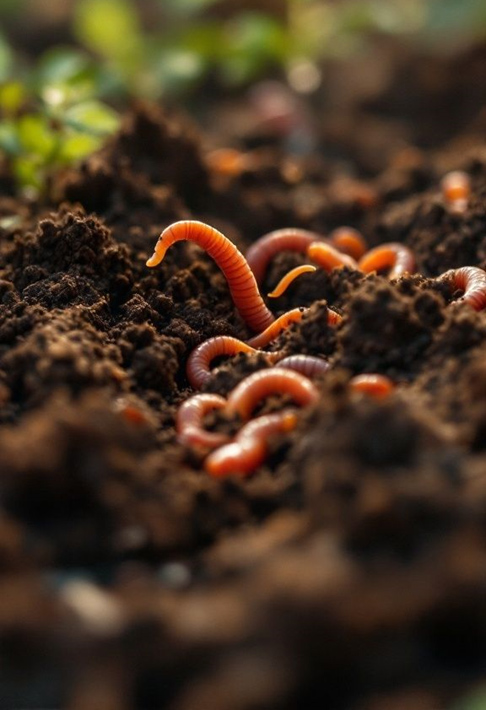
A simple way to assess soil condition is by observing earthworms. Where there are worms, there is biological activity.

What Earthworms Do:

Fewer earthworms can indicate imbalance. Greater presence often suggests active soil conditions.

Earthworms: Indicators of Living Soil

Fewer earthworms can indicate imbalance. Greater presence often suggests active soil conditions.

Soil Health Practices

This is where soil health moves into practice.

1. Jivamrit: Activating Soil Biology

A natural microbial solution made from traditional inputs.

What it does:

  • Increases microbial activity
  • Enhances nutrient availability
  • Supports soil recovery

It acts as a biological stimulant for soil systems.

2. Beejamrit: Supporting Seeds

Used for seed treatment before sowing.

Benefits:

  • Protects against early-stage issues
  • Supports germination
  • Introduces beneficial microbes

Healthy soil systems begin at the seed stage.

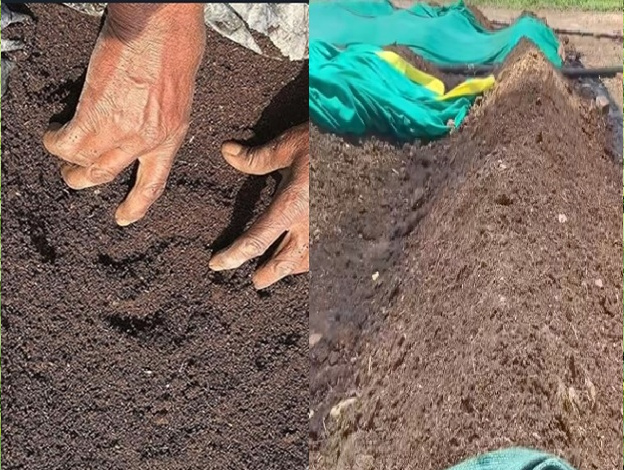
3. Vermicompost: Natural Recycling

Produced through earthworm activity.

Why it works:

  • Improves soil aeration
  • Adds nutrients in usable forms
  • Supports microbial diversity
  • Helps retain moisture

It contributes to long-term soil improvement.
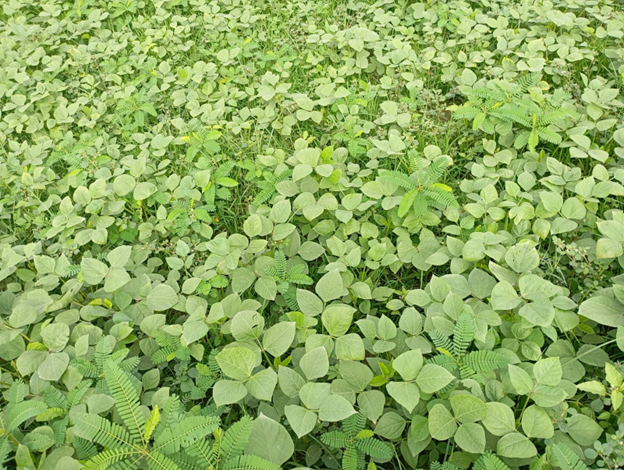
4. Green Manure: Growing Fertility

Green manure involves growing specific crops and incorporating them back into the soil.

Common examples include:

  • Sunhemp
  • Dhaincha
  • Cowpea

Benefits:

  • Adds natural nitrogen
  • Improves organic matter
  • Helps reduce soil erosion
  • Supports better soil structure

It works by feeding the soil rather than extracting from it.

5. Cow-Based Inputs

Traditional systems use:

  • Panchgavya
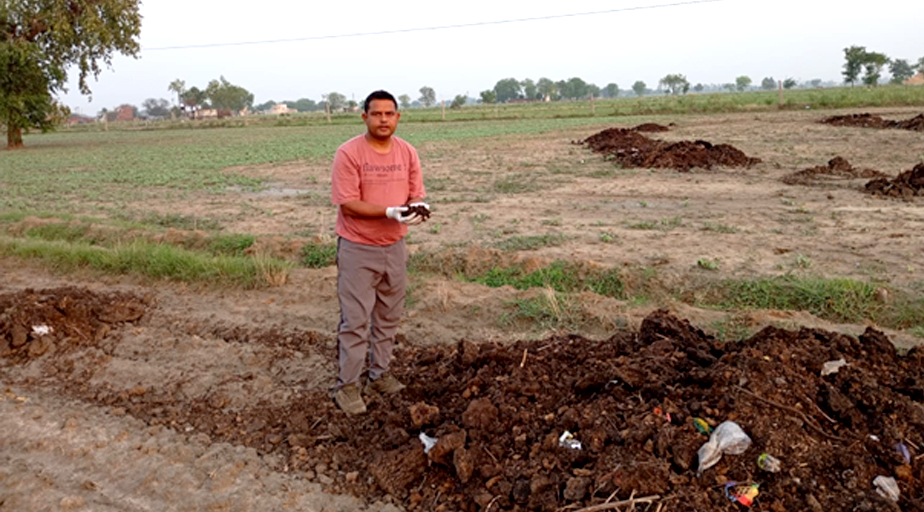
  • Cow dung compost
  • Cow urine-based formulations

Impact:

  • Supports microbial balance
  • Strengthens soil biology
  • Helps maintain natural nutrient cycles

6. Biofertilizers: The Invisible Workforce
Biofertilizers are living microorganisms that support soil fertility.

Examples:

  • Rhizobium
  • Azotobacter
  • Phosphate Solubilizing Bacteria (PSB)
Why Earthworms Matter

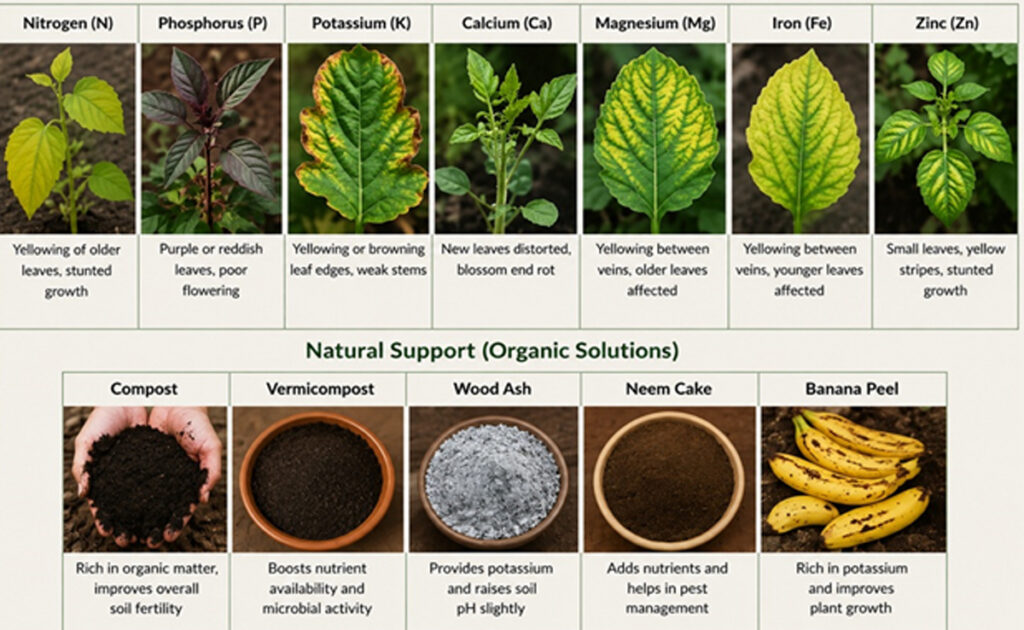
Plants often show visible signs when soil lacks balance. Recognizing these early helps maintain soil condition.

1. Nitrogen Deficiency

Signs:

  • Yellowing leaves
  • Slower growth

Support approaches:

  • Green manure
  • Compost
  • Microbial inputs like Jivamrit

2. Phosphorus Deficiency

Signs:

  • Weak root development
  • Reduced flowering

Support approaches:

  • Rock phosphate
  • Bone meal
  • Phosphate-solubilizing microbes

3. Potassium Deficiency

Signs:

  • Weak stems
  • Lower stress tolerance

Support approaches:

  • Wood ash
  • Organic compost
  • Plant-based compost inputs

4. Micronutrient Imbalance

Signs:

  • Pale or uneven leaf color
  • Stunted growth

Support approaches:

  • Compost
  • Vermicompost
  • Diverse organic inputs

Healthy soil depends not just on nutrients, but on their availability and balance.

Sustainable Soil Practices That Work

1. Crop Rotation

Growing different crops in sequence helps:

  • Maintain nutrient balance
  • Break pest cycles
  • Support soil structure

2. Cover Cropping

Plants grown to protect soil. They help:

  • Reduce erosione
  • BAdd organic matter
  • Retain moisture

3. Reduced Tillage

Less disturbance supports more life. It helps:

  • Preserve microbial systems
  • Maintain soil structure
  • Reduce carbon loss

What Most People Don’t Realize About Soil

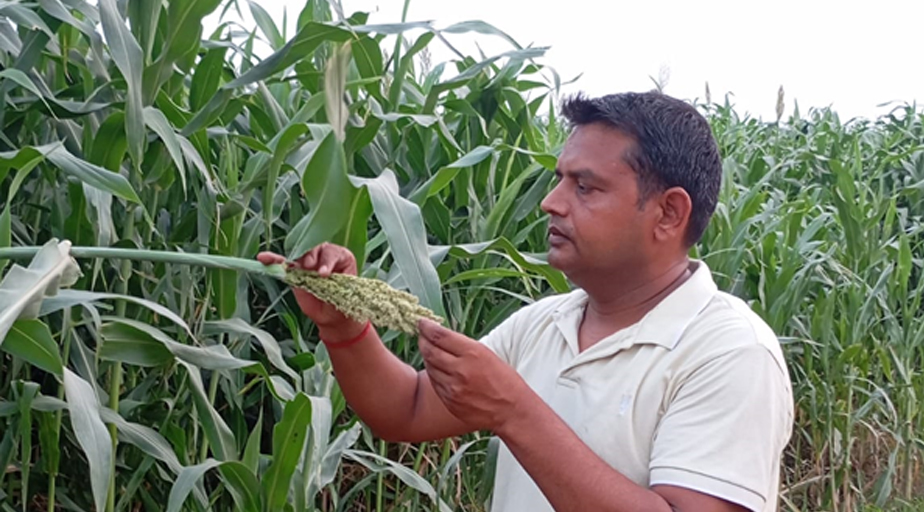
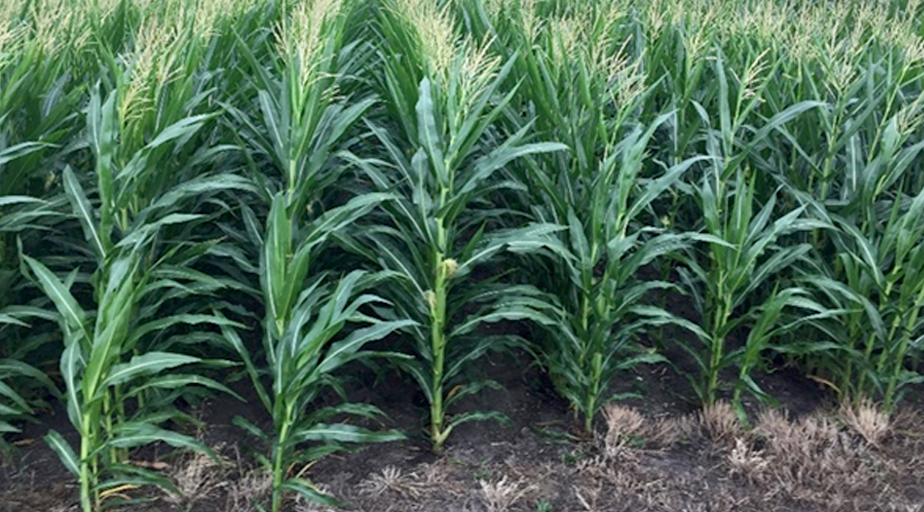
Most people judge food by how it looks. But appearance doesn’t tell the full story. Two crops may look identical on the outside, yet be completely different in nutritional value depending on the soil they were grown in. Modern farming often prioritizes yield and uniformity. But in doing so, it can strip the soil of its natural richness. At IOFI, we focus on what can’t be seen at first glance, because that’s where true quality lives. 

How You Can Recognize Food Grown in Healthy Soil

You may not see the soil, but you can often sense its impact. Look for:

Food grown in living soil doesn’t just look good. It feels real, tastes real, and nourishes differently.

How IOFI Builds Healthier Soil

What This Means for Your Food

Healthy soil directly impacts what ends up on your plate. When crops are grown in living soil:

This is why organically grown food from healthy soil feels different, cleaner, fresher, and more complete.

The IOFI Difference

At IOFI, we don’t just focus on the final product.

Because when the soil is right, everything else follows.

Choose Soil That Gives Back

When you choose IOFI, you’re choosing food that comes from healthy, living soil, not depleted land. Connect with us and experience the difference from the ground up. Because when you nourish the soil, you nourish everything it touches, including yourself.

0