
Healthy crops start with healthy soil, but there’s no single organic fertilizer that’s right for every farm. A vegetable field, a fruit orchard, and a paddy farm all have different nutrient requirements. The best results come from choosing organic fertilizers based on your soil type, crop, and stage of growth.
Unlike chemical fertilizers that provide a quick nutrient boost, organic fertilizers improve the soil itself. They increase organic matter, encourage beneficial microbes, improve water retention, and release nutrients gradually. Over time, this creates healthier soil that supports stronger roots, better crop growth, and more sustainable farming.
Farmyard Manure (FYM): The Foundation of Soil Fertility
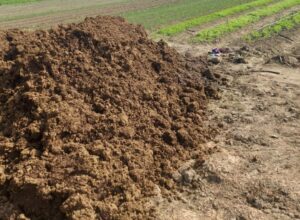
Farmyard manure (FYM) is one of the most trusted organic fertilizers in Indian agriculture. Prepared from decomposed cattle dung, urine, bedding material, and crop residues, it improves soil structure while supplying essential nutrients like nitrogen, phosphorus, and potassium.
FYM is especially useful for improving compact or nutrient-poor soils. It also increases the soil’s ability to retain moisture, making crops more resilient during dry spells.
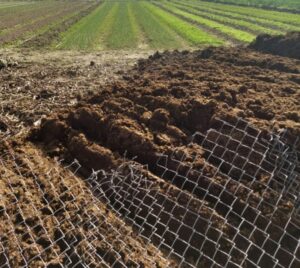
Vermicompost: Small Quantity, Big Impact

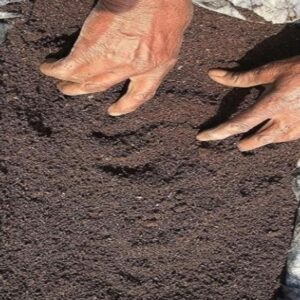
Earthworms naturally convert organic waste into nutrient-rich vermicompost. Their castings contain readily available nutrients, beneficial microorganisms, and natural compounds that support healthy plant growth.
Vermicompost improves soil aeration, encourages strong root development, and enhances nutrient uptake. It is particularly effective for vegetables, fruit crops, flowers, and nursery plants where healthy roots play a key role in improving yield.
Green Manure: Improve Soil Before Planting

Green manuring involves growing crops such as sunhemp and dhaincha, then incorporating them into the soil before flowering. As they decompose, they naturally increase nitrogen levels, improve soil texture, reduce erosion, and support beneficial microbial activity. It is one of the most cost-effective ways to restore soil fertility.
Other Organic Fertilizers Worth Considering
Along with FYM, vermicompost, and green manure, Indian farmers can also benefit from:
1) Compost – Improves soil organic matter by recycling crop residues and biodegradable farm waste.
2) Neem Cake – Supplies slow-release nutrients while helping manage certain soil-borne pests.
3) Oil Cakes – Groundnut, mustard, and castor cakes gradually release nutrients and improve soil quality.
4) Wood Ash – A natural source of potassium, calcium, and trace minerals that helps improve soil fertility and supports healthy plant growth when applied in moderation.
5) Biofertilizers – Beneficial microorganisms such as Rhizobium, Azotobacter, Azospirillum, and PSB naturally enhance nutrient availability and improve soil fertility.
6) Jeevamrit & Ghan Jeevamrit – Traditional natural farming formulations prepared from cow dung, cow urine, jaggery, pulse flour, and native soil. They promote beneficial microbial activity, improve nutrient availability, and enhance overall soil health.
7) Crop Residue Mulch – Dried crop residues used as mulch help conserve soil moisture, suppress weeds, regulate soil temperature, reduce erosion, and gradually add organic matter as they decompose.
Quick Tips for Better Results
– Match the organic fertilizer to your crop and soil condition.
– Use well-decomposed manure for better nutrient availability.
– Combine FYM, vermicompost, and compost instead of relying on a single input.
– Conduct regular soil testing to understand nutrient requirements.
– Store organic fertilizers in a cool, dry place to preserve their quality.
Organic farming isn’t about replacing one fertilizer with another, it’s about building healthier soil that continues to support productive crops year after year. By using the right mix of organic fertilizers, Indian farmers can improve soil fertility, reduce long-term input costs, and build more resilient farming systems.
Every farm is different, and so are its nutrient needs. At IOFI, we support Indian farmers with reliable knowledge and sustainable organic farming solutions that help build healthier soils, stronger crops, and long-term agricultural success.