
Did you ever think that farming can be both profitable and healthy at the same time – for you, your land and the people who consume the produce?
If you’re a farmer in India thinking about moving away from chemicals, or someone curious about starting fresh with natural methods, organic farming might just be the opportunity you have been looking for.
But let’s be honest here – starting organic farming can feel a bit overwhelming. How to start it? Which crops to grow? How to take care of the produce? Will it actually give good returns? Don’t worry, we are here to simplify that for you.
At IOFI Family (Infield Organic Farming India), we believe farming is not just about growing crops. It’s about building a meaningful ‘Farm to Family’ connection. It’s about ensuring that what reaches every household is pure, safe, and grown with care.
Let’s understand the step-by-step guide on how to start organic farming in India.
Step 1: The basics of organic farming
Before starting organic farming, it’s very important to understand how it works. Key principles include:
- Maintaining the health of soil naturally
- Using only organic fertilisers like compost and vermicompost
- Using natural pest control methods
- Practising crop rotation and mixed farming
Step 2: Choose the right land
Land selection plays a critical role in organic farming success. You need to consider the following factors:
- The land you choose should be free from chemical use for at least 2–3 years (or undergo a transition period)
- It should have a good texture and fertility
- And most importantly, it should have access to clean water sources
Even if your land is exposed to chemicals, you don’t need to worry. With proper organic practices, the soil can gradually regain its health.
Step 3: Prepare the soil naturally
Healthy soil is the backbone of organic farming. Here are some soil preparation techniques:
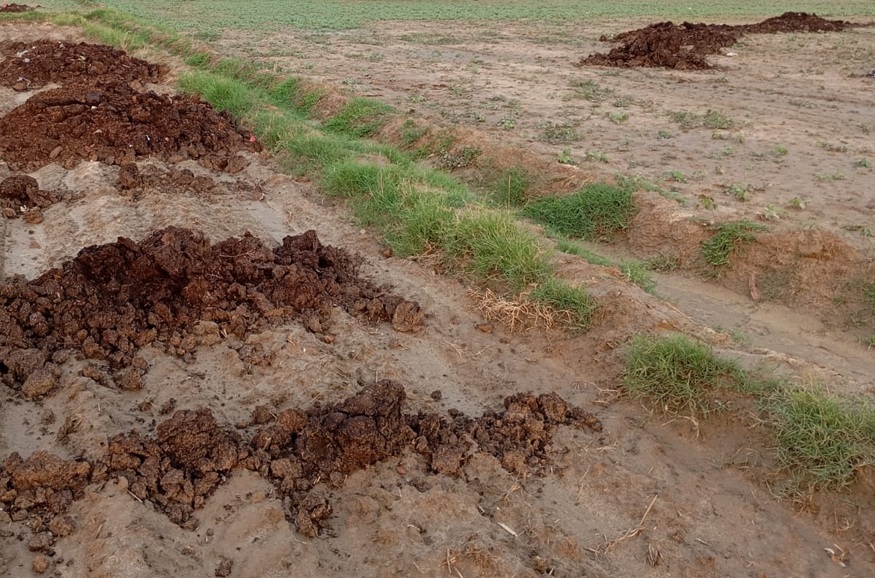
- Start by adding compost, cow dung, and green manure
- Practice crop rotation to maintain nutrients
- To improve microbial activity, use biofertilizers
You need to avoid chemical fertilisers completely and focus on long-term soil fertility, which would perfectly align with the farm to family approach. Healthy soil leads to healthy food.
Step 4: Select suitable crops
Crop selection depends on the location of your land. Popular organic crops in India are:
- Vegetables (tomato, spinach, brinjal)
- Fruits (banana, mango, papaya)
- Grains and pulses (wheat, rice, lentils)
- Spices (turmeric, ginger)
Healthy advice is to start with crops that are easier for you to manage. You can always diversify further once you learn the process. At IOFI Family, we encourage farmers to focus on both sustainability and profitability.
Step 5: Use organic seeds
You would also know that seeds are the starting point of your farming journey.
- Use untreated, organic seeds
- Prefer local and indigenous varieties
- Avoid genetically modified seeds
Always remember that organic seeds are more adaptable to local conditions and require fewer external inputs.
Step 6: Manage nutrients organically
In organic farming, feeding the soil is more important than feeding the plant. Some of the organic nutrient sources include:
- Compost and vermicompost
- Farmyard manure
- Neem cake
- Biofertilisers
If you apply these inputs regularly, it improves soil structure and increases crop yield over time.
Step 7: Natural pest and weed control
One of the biggest challenges in organic farming is pest management, but it can be handled effectively with natural methods. Some of the best pest control solutions are neem oil sprays, garlic-chilli extract, and cow urine-based formulations. Weed control methods can be mulching, manual weeding and crop rotation. These practices help maintain the natural purity of your crops.
Step 8: Water management
This is one of the most crucial steps in organic farming. Efficient water use is essential for sustainable farming. Some techniques you can follow are:
- Drip irrigation
- Rainwater harvesting
- Avoid overwatering
Challenges in organic farming
Like any business, organic farming also comes with a fair share of challenges. Common struggles can be a lack of awareness, initial lower yield, the certification process, and more. The solutions to which can be:
- Start small and scale gradually
- Join farmer communities
- Focus on long-term benefits rather than short-term gains
No matter how many challenges you face, if you switch to organic farming, it offers multiple advantages.
- Improved soil fertility
- Reduced input costs over time
- Higher market demand and premium pricing
- Environment-friendly practices
- Healthier produce
Summing up
Starting organic farming might feel like a big step, but honestly, it begins with one small decision: choosing better for your soil, your crops, and your future. There will be moments of doubt, learning, and trial, but that’s all part of the journey. Start your organic farming journey today. Be proud of what you serve to your family and to the entire country. Let’s serve healthily.